
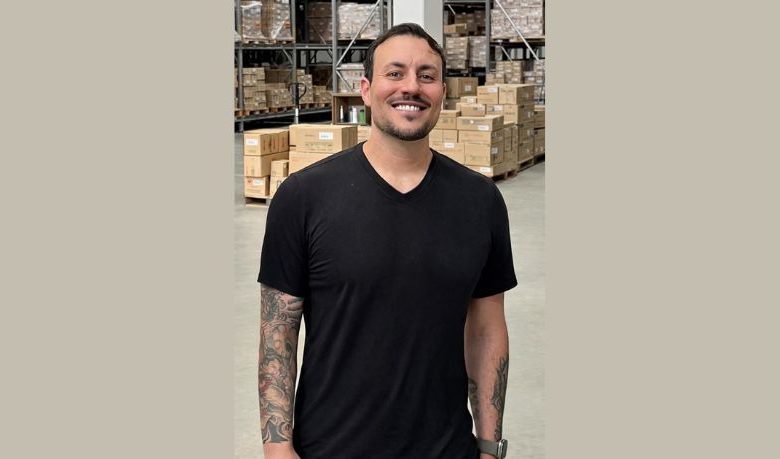
Delivery in under an hour is already routine for anyone ordering ready meals or a pharmacy item from a phone, yet it stays rare when the product is dog food or cat litter. While supermarkets and pharmacies moved fast into this model, the online pet shop largely remains tied to the two-to-five-day window that was already standard a decade ago. Hugo Galvao de Franca Filho, founder and director of Enjoy Pets and an entrepreneur with a consolidated presence in the pet market, observes this lag as a gap worth closing, not as a natural limit of the segment.
The explanation is not lack of demand. It is structure: fast delivery requires stock placed close to the buyer, not a single distribution center, and few pet businesses have reached that level of maturity. Understanding what already works in other sectors and what still stalls in pet retail helps separate real trends from mere innovation talk.
Why ultrafast delivery is still rare in the pet market
Quick commerce relies on decentralized stock, usually in dark stores or smaller hubs spread across a city, so an order ships from a point near the buyer. That model is already common for food and drinks, where turnover is high and the item fits in any courier’s backpack. A twenty-kilo bag of dog food or heavy cat litter does not follow the same logic: it takes up space, costs more to move, and rarely justifies a dedicated hub on its own.
That is why speed advanced first among large retail chains, which have the scale to hold stock across several points, while smaller pet businesses still concentrate everything in a single warehouse. This kind of choice, prioritizing turnover before scale, is what shapes how Enjoy Pets organizes its own catalog, available at www.enjoypets.com.br.
What large marketplaces already deliver on the same day
Mercado Livre and Amazon consolidated distribution centers across several Brazilian capitals and now manage same-day delivery for much of their catalog, including high-turnover pet items. That capacity came from years of heavy logistics investment, something no mid-sized pet shop replicates on its own, even as the service itself resets what buyers expect elsewhere.
The side effect is that shoppers start comparing delivery time even outside those marketplaces. Hugo Galvao de Franca Filho notes that a customer who once received dog food the same day rarely accepts, without question, waiting five business days for the next purchase of the same product through another channel.
How a small pet shop decides where speed is worth it
The answer is not to speed up the entire catalog. It makes sense to prioritize frequent restock items, such as food, litter, and treats, because those are what a customer reorders without researching again, and speed on that specific point weighs more on where they buy than a one-off purchase of a toy or a collar.
Hugo Galvao considers this narrower focus, prioritizing agility on recurring products before trying to accelerate everything, more workable for mid-sized businesses than copying a large marketplace’s full structure. The logic is to regionalize stock only where reorder volume justifies the extra cost and accept traditional timelines for the rest of the catalog.
What changes in the purchase decision once delivery is immediate
Once delivery time stops being a problem, the customer’s choice starts depending on other factors, such as trust in the brand and the track record of past deliveries. Speed stops being an isolated differentiator and becomes part of the baseline a customer expects, which also raises the bar for anyone who has not yet caught up with that shift.
Hugo Galvao de Franca Filho describes this transition as a quiet shift: the pet market did not decide all at once that fast delivery would be mandatory, but every consumer who experienced it once began treating slow delivery as an exception to avoid, not as an accepted default anymore.